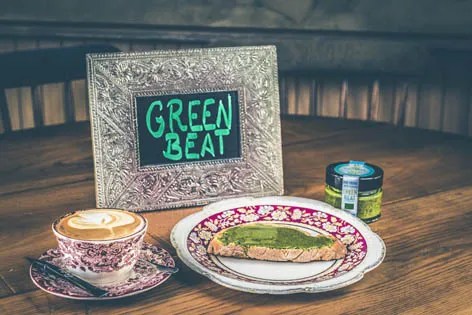
Start with the preparation
Before buying, consider whether you will serve the pistachios whole, chopped or blended. Opening a few shells for an aperitif can be part of the occasion; kernels save work for spreads or pesto. A 250 g bag can suit one recipe, while 500 g allows several preparations.
Control salt and blending
Check whether the recipe calls for raw or roasted pistachios and expects a salted ingredient. Adding salt at the end gives more control. Chop unevenly for crunch; blend with the recipe’s liquids for a sauce. Spreads need longer blending and pauses to avoid overheating the machine.
Sweet and savoury
Pistachios work with pasta, salads and vegetables, as well as desserts and fillings. Start with a simple recipe to get to know the texture. Tell others when a dish contains pistachio: it is a tree nut and an allergen.
Keep exploring
Weigh what goes into the dish
When a recipe gives a weight for pistachios, check whether it means shelled nuts. An in-shell bag does not contain the same weight ready for cooking. Weighing kernels before starting makes it easier to repeat the result and adjust portions. Kernels may still have their thin skin: if your preparation requires removing it, the recipe should explain that step.
Decide the texture before blending
Coarsely chopped nuts add contrast to salads and toppings. Pistachio pesto can retain small pieces, whereas pistachio paste needs longer blending and a suitable appliance. Start with a small amount, follow the manufacturer’s instructions for pauses and add liquids only when the recipe calls for them. Raw kernels let you choose separately whether to roast them and which other ingredients to use.